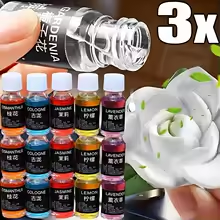
Perfume is more than just a pleasant aroma—it’s a statement of personality, elegance, and artistry. At the heart of every unforgettable fragrance lies a powerful component: fragrance oil for perfume making. In this review, we’ll explore why fragrance oils are considered the secret ingredient behind long‑lasting, luxury scents, and how they elevate perfume creation to a professional level.
What Makes Fragrance Oil for Perfume Making Special?
Unlike essential oils, which are purely natural extracts, fragrance oils are carefully crafted blends of natural and synthetic compounds. This allows perfumers to achieve:
Consistency: Every batch smells the same, ensuring reliability.
Longevity: Fragrance oils are designed to last longer on the skin.
Variety: From exotic florals to gourmand notes, the options are endless.
When reviewing fragrance oil for perfume making, it’s clear that these oils provide the flexibility and depth needed to create perfumes that rival luxury brands.
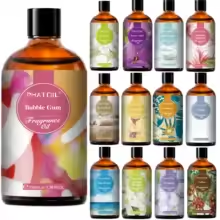
Performance Review: Longevity & Sillage
One of the biggest advantages of using fragrance oil for perfume making is its ability to extend the life of a perfume. High‑quality fragrance oils cling to the skin and clothing, releasing scent gradually throughout the day.
-
Longevity: A well‑blended perfume with fragrance oils can last 8–12 hours.
-
Sillage: The scent trail is noticeable but not overpowering, striking the perfect balance between subtlety and presence.
This makes fragrance oils ideal for anyone seeking perfumes that feel luxurious and enduring.

Blending Experience
Working with fragrance oil for perfume making is a delight for both beginners and professionals. The oils are easy to mix, allowing perfumers to experiment with top, middle, and base notes.
Top Notes: Citrus, herbs, and light florals.
Middle Notes: Rich florals, spices, and fruits.
Base Notes: Woods, musks, and resins.
The science of blending fragrance oils ensures that perfumes develop complexity and harmony, just like high‑end designer scents.
Pros & Cons of Fragrance Oil for Perfume Making
Pros:
Affordable compared to rare essential oils
Wide range of scents available
Long‑lasting and stable in blends
Easy to experiment with for DIY and professional perfumers
Cons:
Quality varies by supplier
Some may lack the natural depth of pure essential oils
Overuse can make perfumes smell synthetic
Final Verdict
Pros:
Affordable compared to rare essential oils
Wide range of scents available
Long‑lasting and stable in blends
Easy to experiment with for DIY and professional perfumers
Cons:
Quality varies by supplier
Some may lack the natural depth of pure essential oils
Overuse can make perfumes smell synthetic
Final Verdict
If you’re serious about perfume creation, fragrance oil for perfume making is the ultimate secret ingredient. It delivers consistency, longevity, and luxury at a fraction of the cost of essential oils. Whether you’re crafting a personal signature scent or building a professional perfume line, fragrance oils give you the creative freedom to design perfumes that truly captivate.